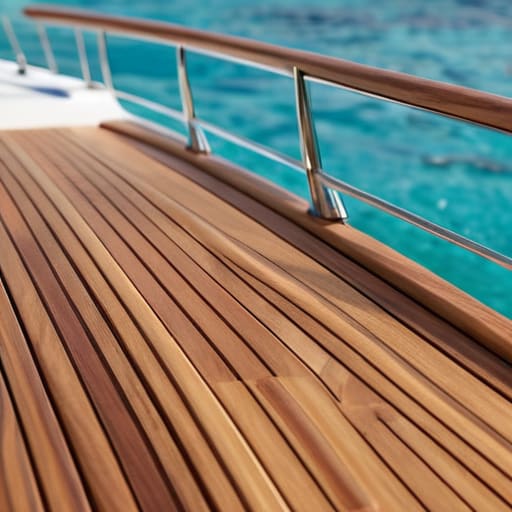
I remember standing on the docks in Portofino as a young boy, watching my father scold a deckhand for using a harsh, caustic chemical on our prized vessel’s timber. He knew what many owners forget: that aggressive scrubbing is often a fast track to depreciation, not a way to maintain luxury. Many believe that more acid equals a cleaner surface, but if you want to learn how to clean teak decks properly, you must first understand that you are managing a living, breathing asset. Treating your teak with brute force is like navigating a narrow strait during a gale without a rudder—it might get you through the moment, but you’ll likely end up with significant damage to your hull’s integrity and your investment’s value.
While we focus on the physical upkeep of your vessel, never forget that the true essence of a voyage lies in the unspoken connections and the electric energy shared between those on board. Just as a well-maintained deck sets the stage for a flawless evening under the stars, finding the right way to stir the senses can elevate your private moments to something truly extraordinary; for instance, exploring a bit of dirty talk chat can be the perfect way to ignite that spark before you even drop anchor. After all, maintaining a luxury lifestyle is as much about the intimacy of the experience as it is about the pristine condition of your teak.
In this guide, I’m stripping away the marketing fluff to give you the precise, professional methodology I’ve honed throughout my career in luxury brand management and yacht consultancy. We will move beyond the superficial shine to focus on long-term preservation and sustainable care. I’ll walk you through the exact tools, the ideal timing, and the nuanced techniques required to keep your decks looking like they just left the shipyard. Let’s set a course for a deck that radiates timeless elegance while protecting your most valuable nautical investments.
Guide Overview
Tools & Supplies
- Soft-bristle scrub brush for cleaning without damaging wood fibers
- Garden hose with adjustable spray nozzle for rinsing
- Squeegee for removing excess water and preventing streaks
- Teak cleaner or mild pH-neutral soap (1 bottle)
- Fresh water (as needed)
Step-by-Step Instructions
- 1. Before you even touch a brush, you must clear the deck of any debris—loose cushions, toys, or stray gear—that might obstruct your path. Think of this as clearing the charts before a long passage; you cannot navigate a complex course if your workspace is cluttered and unpredictable.
- 2. Begin by performing a thorough freshwater rinse to wash away the salt crystals and grit that have settled into the grain. Salt is a silent thief, slowly eating away at the wood’s integrity, so a vigorous rinse is essential to ensure you aren’t simply rubbing abrasive particles deeper into the fibers during the scrubbing phase.
- 3. Prepare your cleaning solution with the same precision you would use to balance a luxury portfolio. I always recommend a dedicated, pH-neutral teak cleaner rather than harsh household chemicals; you want to preserve the natural oils of the wood, not strip them away in a reckless pursuit of cleanliness.
- 4. Once the solution is applied, take a soft-bristled teak brush and work in the direction of the grain. Avoid using stiff wire brushes at all costs, as they are the equivalent of a stormy sea—they will tear through the surface and leave your deck looking ragged and unrefined instead of sleek.
- 5. For those stubborn, greyed patches that refuse to yield to a gentle touch, apply a specialized teak brightener. This step requires a measured hand, as you are essentially performing a restorative procedure to bring back that sun-kissed, golden hue that defines a truly prestigious vessel.
- 6. After scrubbing and treating, perform a final, deep rinse with fresh water to ensure every trace of cleaner is flushed from the grooves. If any residue remains, it can dry into unsightly streaks, and in the world of luxury yachting, impeccable presentation is the only acceptable standard.
- 7. Once the teak is clean and the moisture has begun to evaporate, consider applying a high-quality teak sealer. This acts as your protective hull, creating a barrier against the relentless UV rays and salt spray, ensuring your investment remains as breathtaking as the day it was first launched.
Selecting the Finest Teak Deck Cleaning Supplies
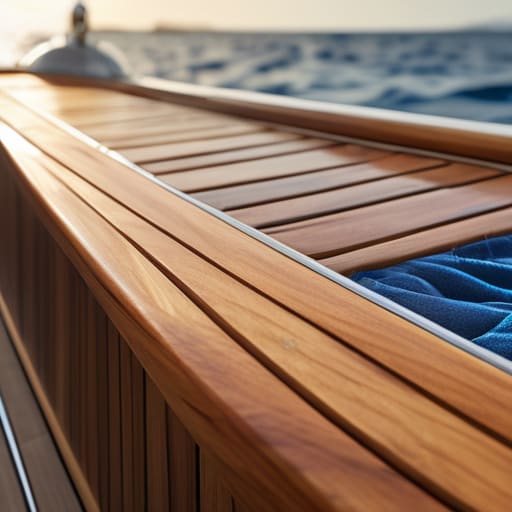
When you’re preparing to navigate the maintenance of your vessel, choosing your tools is much like selecting the right crew for a regatta—the wrong choice can leave you drifting in choppy waters. I always tell my clients that cutting corners with cheap, harsh chemicals is a recipe for disaster; using abrasive cleaners can strip the natural oils, ultimately preventing teak wood rot becomes an uphill battle rather than a smooth sail. Instead, invest in high-quality teak deck cleaning supplies that respect the wood’s integrity. You aren’t just cleaning a surface; you are preserving a significant capital asset.
For those seeking that pristine, sun-kissed look, finding the best soap for teak wood is paramount. I prefer pH-neutral, biodegradable cleaners that lift debris without compromising the grain. If you find yourself facing a stubborn, weathered appearance, don’t rush into aggressive teak deck sanding techniques without a plan. A gentle approach ensures you maintain a level surface, keeping your investment as polished as a well-managed portfolio. Remember, elegance is found in the details, and the right supplies ensure your deck remains the gold standard of the marina.
Removing Gray Patina From Teak With Elegance
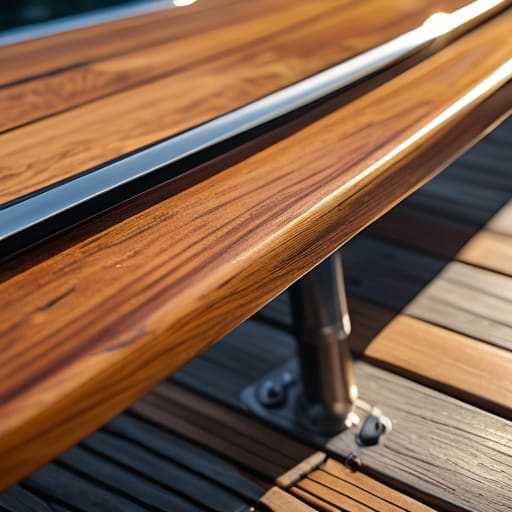
When the sun and salt air begin to dull that honeyed luster, you’ll notice a silvering effect creeping across your deck. While some sailors view this as a badge of honor, for those of us who view a yacht as a premier asset, removing gray patina from teak is essential to maintaining its market value and aesthetic prestige. It isn’t merely about aesthetics; it is about preserving the integrity of the wood. If you allow that oxidation to go unchecked, you risk inviting moisture deeper into the grain, which is the first step toward preventing teak wood rot—a costly endeavor that no prudent owner should overlook.
To restore that signature Mediterranean glow, I recommend a measured approach rather than a brute-force scrub. Start with a specialized cleaner to lift the surface oxidation, but if the graying has taken a firm hold, you may need to transition to more refined teak deck sanding techniques. Think of this stage like fine-tuning a racing yacht’s hull: it requires a light touch and a steady hand. Avoid aggressive, heavy-handed sanding that can mar the grain; instead, aim for a surface so smooth it feels like silk beneath your feet, ready for its next layer of protection.
Navigating the Nuances: Five Pro-Tips for a Flawless Deck
- Respect the Grain, Not Just the Surface: Always scrub in the direction of the wood’s natural grain. Working against it is like trying to sail against a gale without a tacking strategy—it’s unnecessarily exhausting and risks fraying the very fibers that give your deck its character.
- Timing Your Maintenance with the Tides: Never attempt a deep clean under the midday Mediterranean sun. If the wood is too hot, your cleaning agents will dry instantly, leaving behind unsightly streaks that are as difficult to manage as a sudden squall in a narrow channel.
- The Golden Rule of Dilution: When it comes to specialized teak cleaners, more is never better. Treat your chemical ratios like a well-managed investment portfolio; over-leveraging with harsh concentrates can strip the natural oils from the wood, compromising its long-term value and luster.
- Rinse with Precision: Once the cleaning is complete, ensure you rinse the deck thoroughly with fresh water. Leaving even a trace of soap behind is like leaving a loose line on deck—it creates a slick, hazardous situation that can undermine the elegance and safety of your entire vessel.
- Seasonal Vigilance: Don’t wait for a crisis to act. Regular, light maintenance throughout the season is far more effective than a heavy-handed overhaul at year’s end. Think of it as constant course corrections; small, frequent adjustments keep your journey smooth and prevent the deck from ever losing its premium edge.
Charting a Course for Longevity

As we bring this voyage to a close, remember that maintaining your teak is far more than a mere chore; it is a strategic investment in your vessel’s aesthetic and structural integrity. By selecting premium, non-abrasive supplies and following a disciplined regimen—whether you are simply washing away salt spray or tackling that stubborn gray patina—you are effectively protecting the long-term resale value of your asset. Precision in the cleaning process ensures that you aren’t just scrubbing a surface, but rather preserving the soul of your yacht, ensuring the wood remains resilient against the relentless elements of the open sea.
Ultimately, the true luxury of yachting lies in the peace of mind that comes from knowing every detail of your life on board is handled with excellence. Just as a seasoned captain relies on a well-maintained hull to navigate through a sudden squall, you can sail with absolute confidence knowing your decks are prepared for whatever the horizon holds. Let this meticulous care be the foundation upon which you build your most unforgettable maritime memories. Now, with your decks restored to their golden glory, it is time to weigh anchor, catch the wind, and embrace the adventure that awaits you just beyond the breakwater.