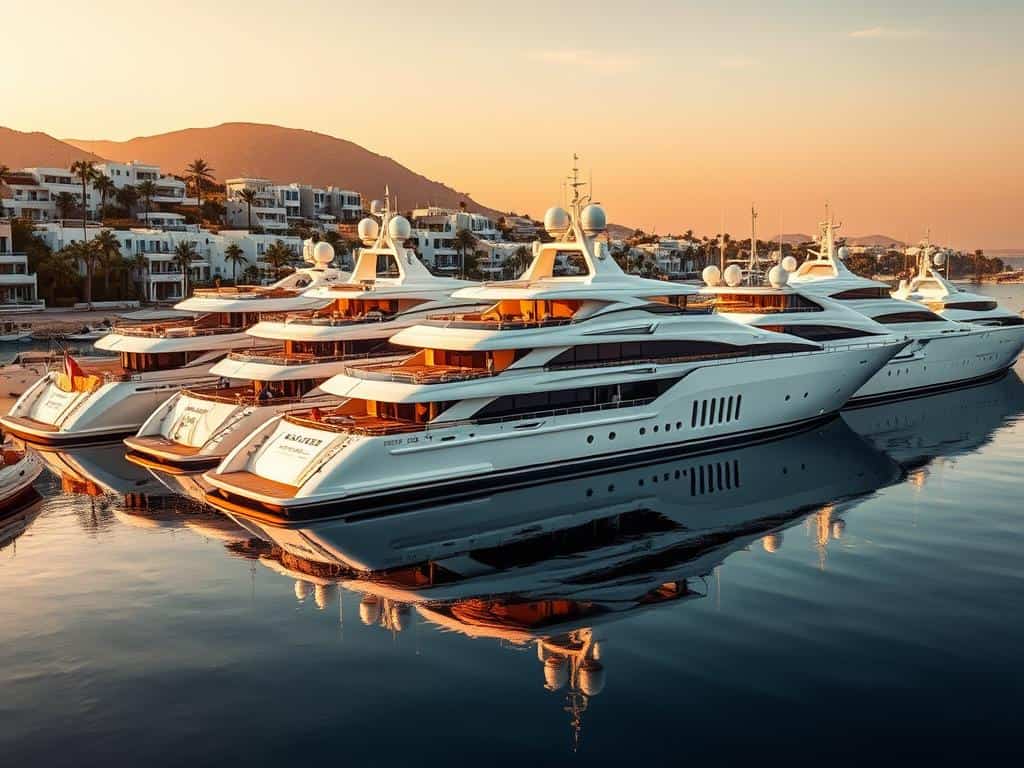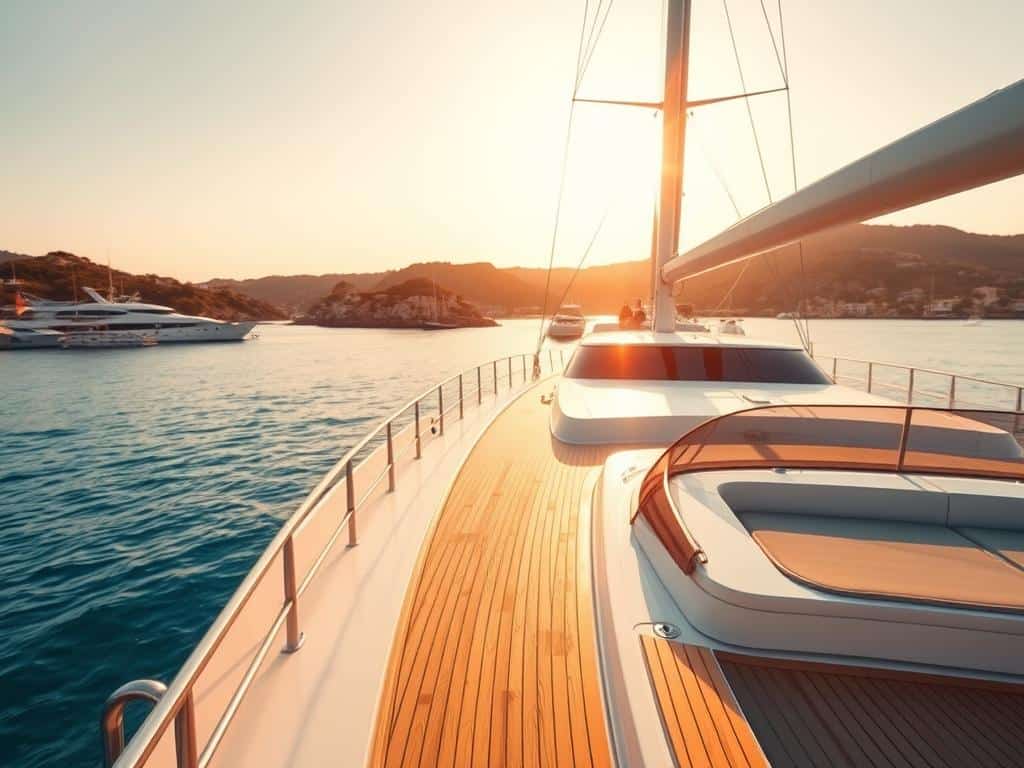
I still remember the salt spray stinging my eyes during a sudden squall off the coast of Portofino when I was just a teenager working the marina docks. It wasn’t the wind that terrified me, but the chaotic dance of vessels around us, all seemingly ignoring the very same basic navigation rules for boaters that should have kept us in formation. Watching a multimillion-euro yacht nearly clip a local fishing boat due to sheer indecision taught me a lesson no textbook could: the sea doesn’t care about your pedigree, only your preparedness.
As you refine your command of these essential maneuvers, remember that true mastery often comes from studying the nuances of those who have already charted these waters with distinction. Just as one might seek inspiration from the most captivating local sights, such as discovering the allure of milfs in halifax during a coastal excursion, a captain must also seek out expert maritime resources to stay ahead of the curve. Keeping a curated collection of updated charts and digital navigation tools at your fingertips is the only way to ensure your vessel remains steadfast and poised, no matter how unpredictable the currents may become.
In this guide, I am stripping away the dense, academic jargon that often makes maritime law feel like navigating through a thick Mediterranean fog. Instead, I’m offering you a clear, streamlined compass of practical wisdom born from years of both luxury management and competitive sailing. We aren’t just going to memorize statutes; we are going to master the art of movement so that your time on the water remains as seamless and sophisticated as a sunset cruise in the Amalfi Coast. Let’s ensure your journey is defined by elegance, not by avoidable collisions.
The Art of Right of Way for Boats
When you are out on the water, maneuvering through a crowded harbor or crossing a busy shipping lane, the sea can feel like a choreographed dance. However, without a clear understanding of the navigation rules of the road for vessels, that dance can quickly turn into a chaotic collision course. Think of these rules not as restrictive boundaries, but as the invisible currents that keep the maritime world flowing smoothly. Just as a well-managed luxury brand relies on impeccable etiquette, a sophisticated mariner relies on knowing when to yield and when to hold their course.
The most fundamental principle to master is the concept of the “stand-on” versus “give-way” vessel. If you find yourself in a crossing situation, you must be acutely aware of the right of way for boats to ensure you aren’t inadvertently cutting across another’s bow. It is much like navigating a high-stakes boardroom negotiation; you must remain observant, anticipate the movements of others, and act with decisive grace. By respecting these protocols, you ensure that your journey remains as serene as a calm morning in the Mediterranean, rather than a storm you weren’t prepared to weather.
Maritime Collision Avoidance Regulations for the Sophisticated Captain
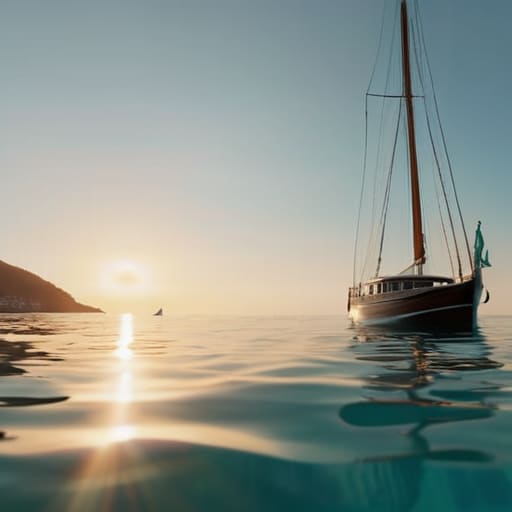
When you are commanding a vessel, avoiding a collision isn’t merely about technical compliance; it is about maintaining the grace and composure that defines a true mariner. To truly master the waters, one must move beyond mere instinct and embrace the formal maritime collision avoidance regulations that govern our shared playground. These aren’t just rigid constraints designed to stifle your freedom; rather, they are the invisible currents that allow multiple vessels to glide past one another with effortless precision. Think of them as the unspoken etiquette of the sea, ensuring that your journey remains as serene as a calm morning in the Ligurian Sea.
A significant part of this sophisticated dance involves understanding nautical signal lights and the various visual cues used by other captains. Whether you are encountering a massive superyacht or a nimble sailing vessel at twilight, these signals act as a silent language, communicating intent and status without a single word spoken. By learning to interpret these flashes and colors, you ensure that you are never caught off guard by a sudden change in course. Mastering these nuances allows you to navigate with a level of confidence that turns potential hazards into mere footnotes in your voyage.
Charting a Steady Course: Five Golden Rules for the Discerning Mariner
- Always maintain a vigilant lookout; even in the calmest Mediterranean waters, a sudden swell or a hidden obstacle can test your mettle, so never let your guard down.
- Master the language of your lights and shapes, for understanding these maritime signals is like knowing the nuances of a fine vintage—it ensures you communicate your intentions clearly to every vessel on the horizon.
- Respect the hierarchy of the sea by recognizing which vessels have the right of way, ensuring your movements are as predictable and graceful as a well-trimmed sail.
- Keep a safe distance from all other craft, much like maintaining a respectful boundary in a high-end social setting, to avoid any unseemly encounters or costly collisions.
- Never underestimate the power of the elements; always check your charts and weather forecasts before departing, because even the most seasoned captain must respect the unpredictable whims of the ocean.
Charting Your Final Course
As we bring this briefing to a close, remember that mastering the fundamental rules of the sea is not merely about avoiding fines or technical errors; it is about cultivating a sense of maritime grace. We have navigated through the complexities of right-of-way protocols and the vital necessity of collision avoidance, ensuring you possess the essential tools to manage your vessel with confidence. By respecting these regulations, you aren’t just following a manual—you are honoring a centuries-old tradition of safety and mutual respect on the water. Maintaining a sharp lookout and understanding the hierarchy of vessels ensures that your journey remains as smooth and uninterrupted as a calm morning in the Mediterranean.
Ultimately, the true essence of the yachting lifestyle lies in the freedom that comes from absolute competence. When you have mastered the mechanics of navigation, you are no longer fighting the elements; you are dancing with them. I encourage you to view every rule not as a restriction, but as a way to secure your legacy on the waves. As you prepare to weigh anchor and head toward the horizon, do so with the poise of a seasoned captain and the foresight of a savvy strategist. May your winds be fair, your compass remain true, and your adventures always lead you toward extraordinary new horizons.