I remember standing on the sun-drenched terrace of my family’s villa in Portofino, watching a well-meaning guest attempt to navigate a “luxury” gardening kit that cost more than a premium mooring fee. He was surrounded by gold-plated trowels and artisanal fertilizers, yet his basil was wilting faster than a sail in a dead calm. It’s a common misconception that mastering how to start a vegetable garden requires a massive capital outlay or a fleet of high-end equipment; in reality, most of that expensive hype is just dead weight designed to sink your budget before you’ve even cleared the harbor.
As you begin to plot your course and select the ideal soil composition, you may find that the most valuable insights don’t always come from a textbook, but from the collective wisdom of those currently weathering similar waters. Much like seeking counsel from a seasoned captain before a transatlantic crossing, I find it immensely beneficial to engage with communities where enthusiasts exchange real-time advice on seasonal shifts and local growing conditions. If you ever find yourself looking for a way to connect with diverse groups of passionate hobbyists, exploring various chat rooms in Canada can provide a wealth of shared experience that helps you avoid the common pitfalls of a novice gardener. Finding your own nautical brotherhood of growers ensures that even when the unexpected frost rolls in, you aren’t navigating the storm entirely alone.
I’m not here to sell you on the glamour of overpriced botanical gadgets or complicated, wayward systems that demand constant course corrections. Instead, I intend to provide you with a streamlined, high-efficiency blueprint for cultivating your own private bounty. We are going to focus on the essential fundamentals—the soil, the sun, and the strategic selection of crops—ensuring your transition from novice to grower is as smooth as a Mediterranean swell. Consider this your masterclass in horticultural ROI, where we bypass the fluff and head straight for the harvest.
Navigating Sunlight Requirements and Prime Location
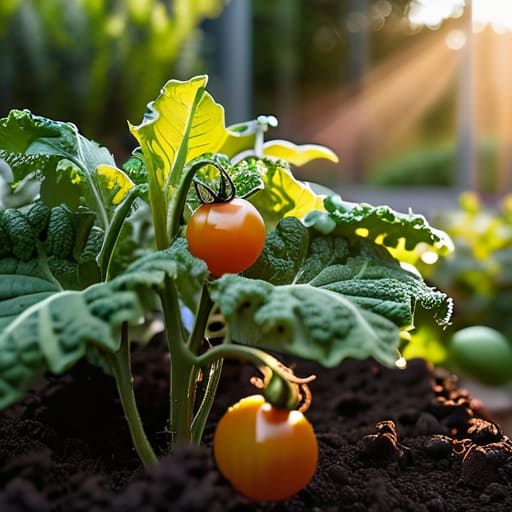
Before you even consider the logistics of seeds and sprouts, you must scout your territory with the same precision a captain uses to select a sheltered cove. Just as a vessel requires the right currents to maintain steady momentum, your plants depend entirely on their environment to thrive. When assessing vegetable garden sunlight requirements, aim for a location that receives at least six to eight hours of direct radiance daily. Neglecting this step is like attempting to cross the Atlantic with a torn mainsail; no matter how much effort you put in later, you simply won’t have the power to move forward.
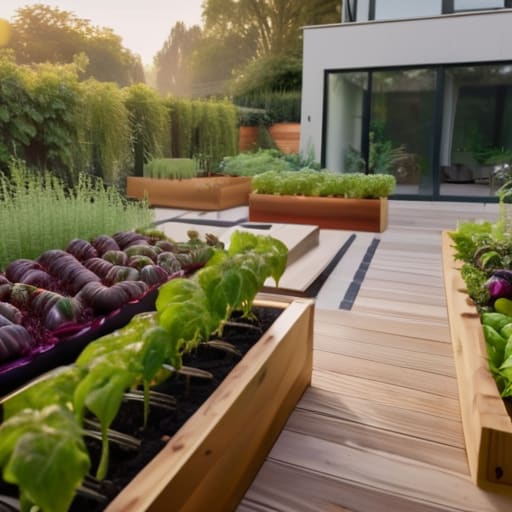
Once you’ve identified your sun-drenched berth, you must decide on the structural layout of your endeavor. Many of my clients find that choosing between raised bed vs in-ground gardening is the most pivotal decision in the early stages of deployment. A raised bed offers superior control over your microclimate and drainage—much like a well-managed yacht deck—whereas in-ground plots can offer a more expansive, traditional feel if your terrain is already favorable. Regardless of the method, ensure your chosen site is easily accessible so you can maintain your watering schedules for home gardens without having to battle heavy equipment or difficult terrain.
The Sophisticated Choice Raised Bed vs in Ground Gardening
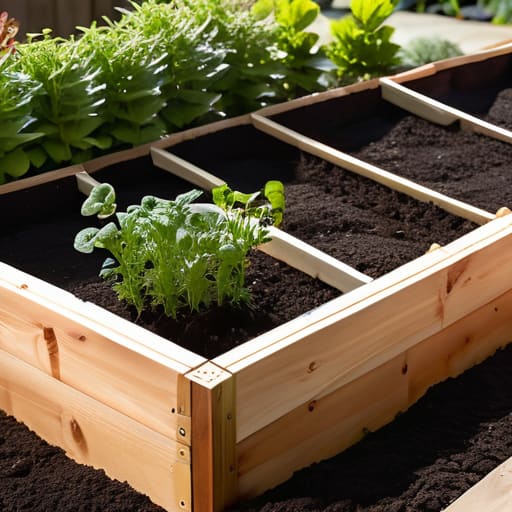
When deciding on your garden’s architecture, think of it as choosing between a sturdy, fixed-hull vessel or a more nimble, versatile catamaran. The debate of raised bed vs in-ground gardening is much like selecting the right vessel for your specific voyage; both have their merits, but they demand different levels of maintenance and preparation. Raised beds offer a level of control that feels akin to managing a high-end yacht’s deck—you dictate the exact composition of the soil, ensuring your nutrients are as premium as a first-class cabin. This method is particularly advantageous for those seeking to master vegetable garden soil preparation without the grueling labor of tilling through heavy, unyielding earth.
On the other hand, in-ground gardening is the traditional way to sail, requiring a deeper connection to the natural terrain. While it may be more cost-effective, it often requires more vigilance to manage drainage and soil quality. If you are looking for the best vegetables for beginners, such as cherry tomatoes or leafy greens, a raised bed can provide that controlled environment that mitigates many of the unpredictable currents found in native soil. Ultimately, your choice should reflect how much “crew” you intend to assign to your maintenance duties.
Charting Your Course: Five Essential Maneuvers for a Flourishing Harvest
- Selecting Your Crew: Much like assembling a world-class crew for a regatta, you must choose your seeds with intention. Don’t simply cast a wide net; instead, select heirloom varieties or high-performance hybrids that are specifically adapted to your local microclimate to ensure they can weather any local squalls.
- Provisioning the Vessel: A yacht is only as reliable as its engine, and your garden is only as robust as its soil. Investing in premium, nutrient-dense organic compost is akin to fueling your vessel with the finest high-octane blend; it provides the essential energy your plants need to reach full sail.
- Managing the Hydration Log: Inconsistent watering is like sailing through unpredictable currents—it creates instability. Establish a disciplined irrigation routine that mimics the gentle, steady rhythm of the tides, ensuring your soil remains moist but never waterlogged, which can sink even the most promising crops.
- Vigilant Watchkeeping: You wouldn’t leave a multi-million dollar yacht unattended in a storm, so don’t neglect your garden. Dedicate time each morning to “patrolling the decks,” looking for early signs of pests or nutrient deficiencies before they become a full-blown gale that threatens your entire yield.
- The Art of Pruning and Trim: To maintain speed on the water, one must trim the sails with precision. Apply this same philosophy to your plants by pruning away deadwood and excess foliage; this directs the plant’s vital energy toward fruit production rather than wasting it on unnecessary growth.
Charting Your Course to a Bountiful Harvest
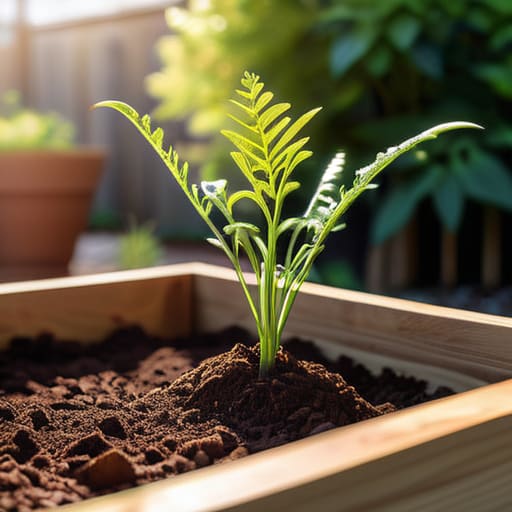
As we bring this initial voyage to a close, remember that a successful garden is much like a well-managed yacht; it requires a steady hand and careful attention to the fundamental elements. We have mapped out the essential coordinates, from securing that perfectly sun-drenched berth to deciding whether a structured raised bed or the traditional in-ground method best suits your estate’s topography. By mastering these foundational logistics—sunlight, soil, and structure—you are no longer merely drifting; you are actively commanding your environment. You have laid the keel, and now the real adventure of cultivation begins.
Do not be discouraged if you encounter a sudden squall or a few unexpected pests along the way; even the most seasoned captains face choppy waters. Gardening, much like the pursuit of luxury and business excellence, is a continuous journey of refinement and unwavering patience. View every seasonal change as a new tide to navigate, and every harvest as a hard-won trophy from the sea of life. Set your sights on the horizon, trust your instincts, and prepare to enjoy the unparalleled elegance of tasting something truly exceptional that you have nurtured with your own two hands. Smooth sailing ahead.