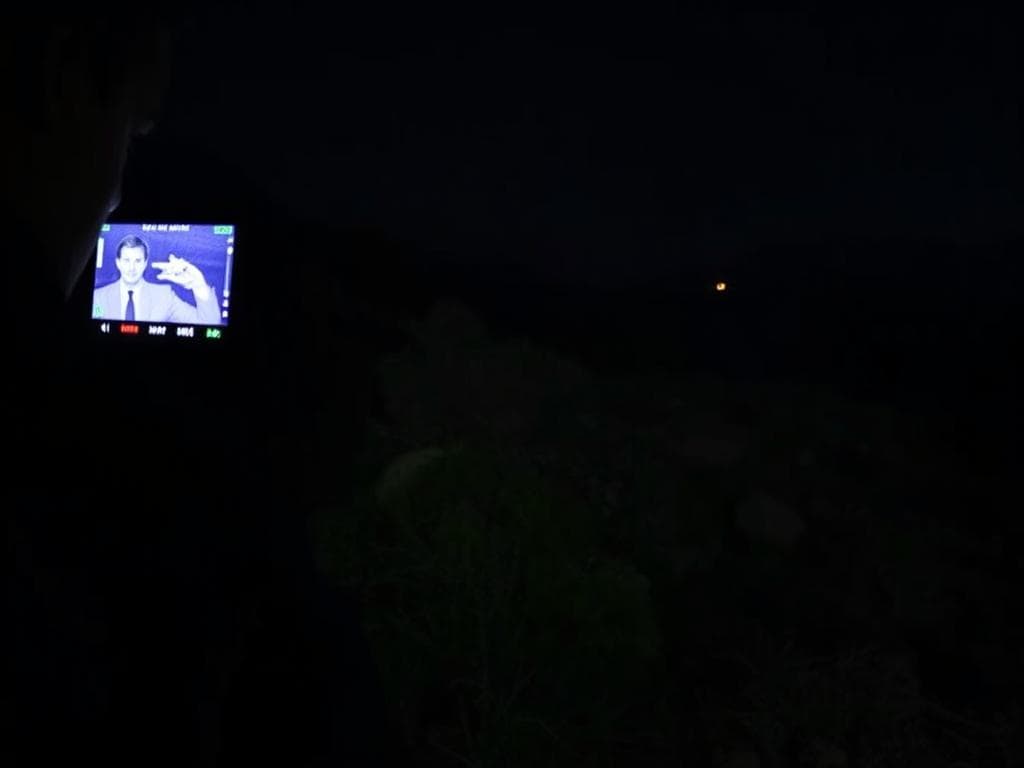
As I got ready for a late-night hike, I felt both excited and a bit scared. The path was easy to follow during the day, but at night, it became a confusing maze. A friend’s advice came to mind, and I grabbed my infrared camera.
With thermal imaging, I could see heat signatures even in complete darkness. This simple tool turned out to be essential for navigating at night. It helped me stay aware of dangers and find my way through the dark woods.
Key Takeaways
- Thermal imaging enhances nighttime navigation by detecting heat signatures.
- Infrared cameras offer a safe way to explore low visibility environments.
- This technology evolved from military use to recreational applications.
- Thermal imaging provides clarity in boating and outdoor adventure scenarios.
- Choosing the right thermal imaging equipment is key for safety.
Understanding Thermal Imaging Technology
Thermal imaging technology has changed how we see our world, even in dark places. It uses infrared radiation to show temperature differences. This makes it very useful in many areas, including navigation.
How Thermal Imaging Works
Thermal imaging detects infrared radiation from objects. Everything gives off heat, which cameras turn into images based on temperature. This means you can see in the dark, which is great for exploring dark areas.
Differences Between Thermal Imaging and Night Vision
Thermal imaging and night vision both help in low light, but they work differently. Night vision uses light, but fails in total darkness. Thermal imaging, on the other hand, sees heat, making it better in complete darkness. This is key for safe nighttime travel.
Applications of Thermal Imaging in Navigation
Thermal imaging is used in many ways for navigation, like in search and rescue, wildlife watching, and outdoor activities. It helps find people or animals in places where it’s hard to see. I think thermal imaging is a big step forward in making navigation safer and more efficient.
Using Thermal Imaging for Safety and Clarity
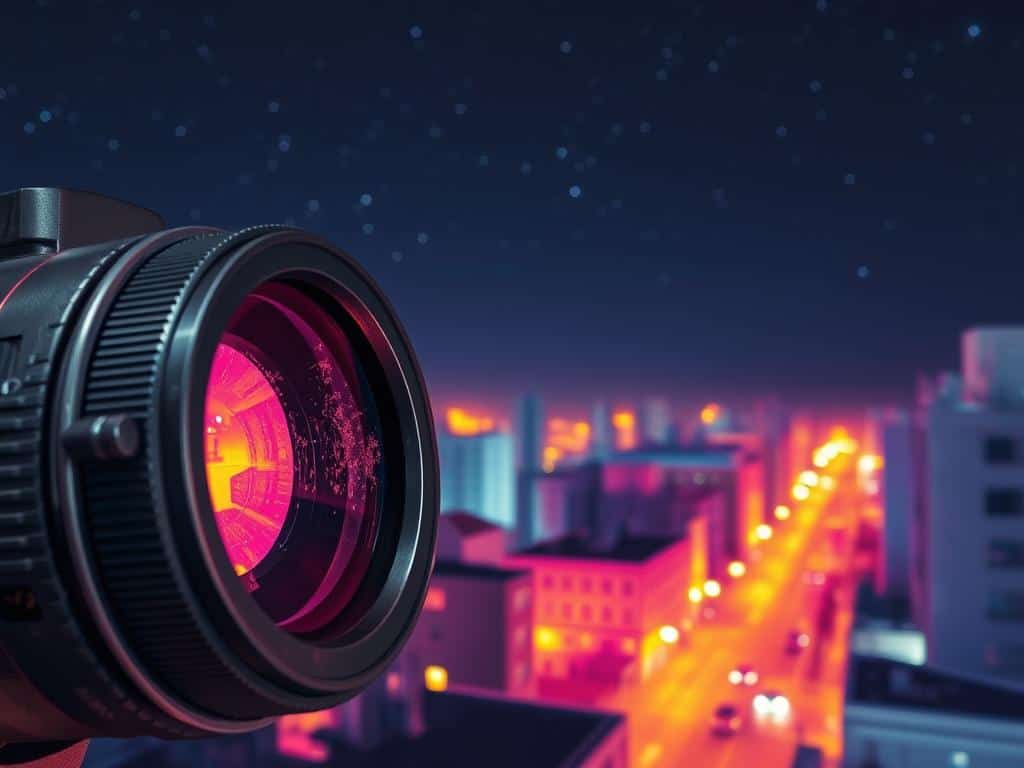
Thermal imaging is a game-changer for safety and clarity in the outdoors, even when it’s dark or foggy. It lets me see heat signatures, making it easier to navigate on water or in the wilderness. This tech is great for spotting things I can’t see with my eyes.
Benefits of Thermal Imaging in Low Visibility Conditions
Thermal imaging makes a big difference in safety, like in fog or dark. It shows body heat, helping me find dangers and other people. This clear view helps me make safer choices, reducing the risk of accidents.
Knowing I can count on thermal imaging makes navigating easier. It gives me real-time info about what’s around me.
Real-World Scenarios: Boating and Outdoor Adventures
Boating at night in fog can be tough. But with thermal imaging, I can see other boats, buoys, or dangers under the water. It lets me go on safer adventures, no matter the weather.
In outdoor activities, seeing through tough conditions changes the game. It makes the experience better.
Choosing the Right Thermal Imaging Equipment
Choosing the right thermal imaging gear is important. I look at resolution, range, and how easy it is to use. Better resolution means clearer images, which is safer at night.
Brands like FLIR and Pulsar have options for boating and outdoor use. They help me find the best fit for my needs.
Conclusion
Thermal imaging technology greatly improves navigation at night and in dim light. It has been a game-changer for me, making it safer to move around in the dark. Whether I’m hiking or boating, thermal imaging helps me see hidden dangers.
As technology advances, more people should use thermal cameras. They help us see heat signatures, making nighttime travel safer. I think it’s a must-have for anyone who loves the outdoors and wants to stay safe.
Using thermal imaging makes our adventures better and safer. It’s a smart choice for anyone who loves exploring after dark. It’s all about being safer and more confident in the dark.