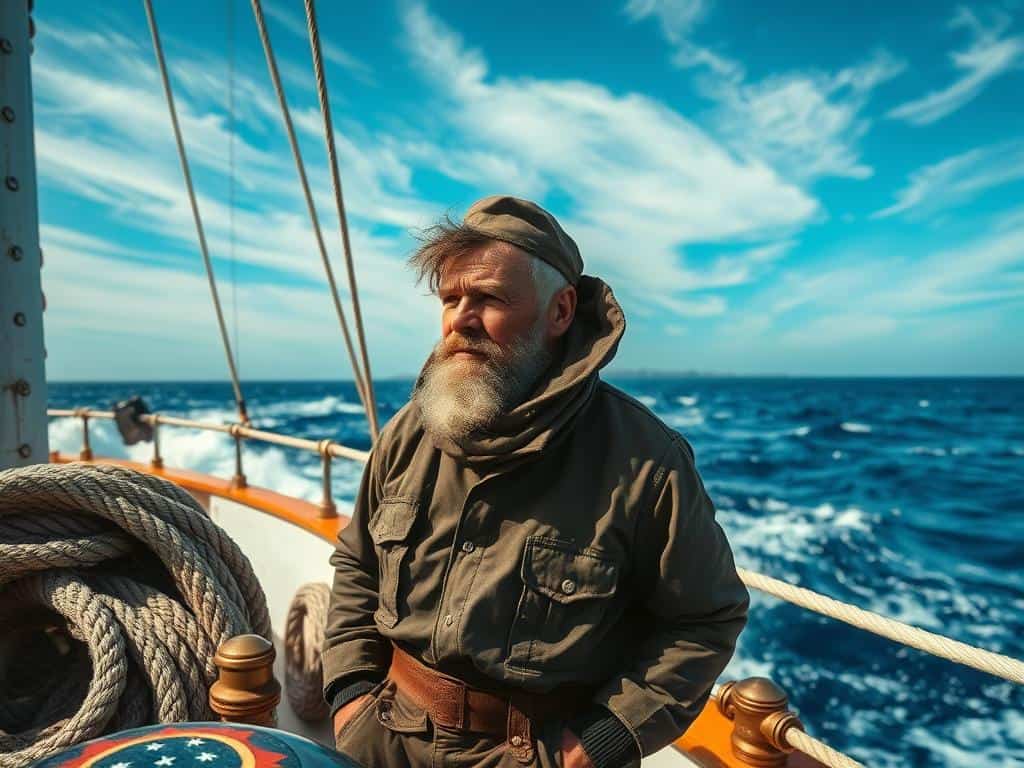
Life at sea is full of surprises. My first time on a fishing vessel was exciting and scary. A storm hit halfway through, showing me how vital an emergency fund is.
I learned that an emergency fund is a safety net. It helps me face unexpected costs and repairs. It gives me peace of mind, letting me handle life’s ups and downs without financial worry.
With smart financial planning and help from organizations like the Seafarers’ Trust, I can protect my crew and family. We’re ready for any storm that comes our way.
Key Takeaways
- An emergency fund is key for unexpected events at sea.
- Having 3 to 6 months’ expenses saved can be a lifesaver.
- Understanding your financial needs is part of financial prep.
- A safety net reduces stress in maritime life.
- Grants can boost your financial security.
The Importance of an Emergency Fund for Seafarers
Having a safety net is key to building my emergency fund. Life at sea can change quickly, bringing unexpected challenges. An emergency fund helps me handle sudden issues without risking my financial health.
Understanding the Need for a Safety Net
Life at sea is full of surprises, making a solid safety net essential. I might face job changes or medical bills that need quick action. An emergency fund gives me peace of mind and helps me get through hard times.
This financial safety net keeps me afloat. It lets me continue my maritime journey with confidence.
Types of Emergencies to Prepare For
Knowing what emergencies might happen is important for planning. I could deal with costs for fixing my vessel or urgent health needs. Severe weather might force me to change my route, adding to expenses.
Each of these situations shows why I need a good emergency fund. It prepares me for any challenges that come my way.
How to Build and Maintain Your Emergency Fund
Creating a strong emergency fund starts with clear goals. I first set financial targets to track my progress. Knowing my monthly costs helps me figure out how much to save.
I aim to save three to six months’ worth of living expenses. This ensures I have enough for rent, utilities, and food.
Setting Your Financial Goals
Setting financial goals gives me a clear path for saving. I use the 50/30/20 rule to budget. It divides my income into needs, wants, and savings.
This method helps me see how much I can save each month. It makes budgeting easier.
Best Practices for Saving
Using a high-yield savings account or fixed deposit helps my savings grow. It also keeps my money accessible when I need it. Remember, an emergency fund is more than just a safety net.
It shows my dedication to financial health. It helps me handle unexpected expenses better.

Conclusion
Building an emergency fund is key to financial stability, even more so for seafarers. We face special challenges at sea, making a safety net essential. An emergency fund is not just a luxury; it’s a lifeline for managing maritime life’s unpredictability.
Knowing the types of emergencies I might face helps me plan better. It shows me the value of having an emergency fund. This way, I can deal with unexpected medical bills or job changes at sea.
By following saving best practices and setting achievable goals, I can grow my emergency fund. With the right strategies, I’m ready for any storm. This ensures my financial safety and peace of mind while at sea.