I remember standing on the docks in Portofino as a young apprentice, watching a seasoned captain overlook a single, tiny hairline crack in a fuel line—a small oversight that turned into a costly, frozen nightmare by mid-January. Most people believe that learning how to prepare a boat for winter is simply a matter of pulling a white sheet over the deck and calling it a day, but that is a dangerous misconception. In reality, winterization isn’t just about tidying up; it is a sophisticated preservation strategy designed to protect your most significant maritime investment from the silent, corrosive forces of the off-season.
In this guide, I am stripping away the fluff to provide you with a high-level roadmap for navigating the seasonal transition. We won’t just talk about engine fluids; we will dive into the precise mechanics of protecting your vessel’s long-term resale value and structural integrity. From managing complex electrical systems to mastering the art of moisture control, you will gain the astute financial foresight needed to ensure your yacht emerges from its slumber in the spring, ready to catch the first warm winds of the season.
Guide Overview
Tools & Supplies
- Fuel stabilizer and funnel for engine protection
- Bilge pump to remove excess moisture
- Cleaning brushes for hull scrubbing
- Screwdriver/Wrench set for battery removal
- Marine-grade fuel stabilizer (1 bottle)
- Protective shrink wrap or heavy-duty tarp (1 roll)
- Dehumidifier bags or desiccant packs (4-6 packs)
- Marine-grade grease (1 tube)
Step-by-Step Instructions
- 1. Drain the Bilge and Sanitize the Interior: Before the frost begins to bite, you must ensure no stagnant water remains lurking in the depths of your vessel. Start by thoroughly cleaning the bilge to remove any debris, oil, or fuel residue that could become a breeding ground for bacteria over the winter months. I always advise my clients to treat this as a foundational ritual; a clean bilge isn’t just about aesthetics, it’s about preventing the corrosive odors that can compromise the luxury feel of your interior when you return to sea.
- 2. Execute a Comprehensive Engine Flush and Fluid Change: Think of your engine as the heart of your vessel; you wouldn’t leave a high-performance engine running on old, degraded oil, would you? You must change the engine oil, replace the filters, and ensure your coolant levels are optimized for the coming temperature shifts. If you’re operating in much colder climates, consider adding an anti-freeze solution to your cooling system to prevent the catastrophic expansion of ice that can crack your engine block.
- 3. Protect the Fuel System from Contamination: One of the most common “hidden reefs” in winter storage is fuel degradation and condensation. I recommend filling your fuel tanks to nearly full to minimize the air space where moisture can collect, which prevents the formation of water droplets within your lines. If your vessel will be dormant for several months, adding a high-quality fuel stabilizer is a non-negotiable step to ensure that when you’re ready to depart next spring, your engines ignite with the same effortless grace as they do today.
- 4. Manage the Electrical Systems and Battery Health: An unexpected drop in temperature can quickly drain your power, leaving you adrift when you least expect it. Disconnect your batteries or, preferably, use a professional-grade trickle charger to maintain a steady voltage throughout the off-season. It is vital to monitor your electrical connections for any signs of corrosion, as salt air and moisture can be relentless even when the boat is docked and stationary.
- 5. Preserve the Upholstery and Fine Woodwork: The luxury elements of your yacht—the hand-stitched leathers and the polished teak—are often the most vulnerable to the elements. Use high-quality, breathable covers to shield these surfaces from dust and humidity, but avoid using plastic sheeting that can trap moisture and lead to mold. I suggest treating your fine wood surfaces with a protective sealant before covering them, ensuring that the craftsmanship remains as pristine as the day it was commissioned.
- 6. Secure the Exterior and Inspect the Hull: Finally, walk the perimeter of your vessel to ensure everything is tightly lashed and secured against the winter winds. Check your sacrificial anodes and inspect the hull for any signs of osmosis or damage that may have occurred during the sailing season. It’s much more cost-effective to address minor imperfections now, during the quiet months, than to face an expensive repair when the Mediterranean sun beckons you back to the water.
Mastering Winterizing Boat Engine Steps for Longevity

Beyond the mechanical intricacies of the engine and the electrical systems, one must never overlook the aesthetic integrity of the vessel’s interior, as a neglected cabin can be just as damaging to your investment as a faulty fuel line. I always tell my clients that maintaining the pristine atmosphere of your yacht is what ensures its long-term resale value and emotional allure. If you find yourself navigating the complexities of sourcing high-end supplies or specialized maintenance tools to keep your sanctuary in peak condition, I’ve found that utilizing this platform can be an incredibly efficient way to streamline your preparations. It’s about ensuring that when the spring sun finally warms the Mediterranean again, your vessel isn’t just functional, but is truly ready to command the waves with its original splendor.
When it comes to the heart of your vessel, you cannot afford to let the winds of neglect blow through your engine room. While the exterior demands aesthetic care, the true battle for longevity is fought within the mechanical components. One of the most critical aspects of mastering winterizing boat engine steps is addressing the fuel system. I always advise my clients that preventing fuel stabilizer issues is non-negotiable; stagnant fuel can degrade into a varnish-like substance that clogs injectors, turning a smooth voyage into a costly mechanical nightmare come spring.
For those navigating the complexities of smaller vessels, winterizing outboard motors requires a specific touch, ensuring all cooling passages are flushed and treated to prevent internal corrosion. Simultaneously, don’t overlook your electrical lifeline. Proper marine battery winter storage—ideally involving a trickle charger in a temperature-controlled environment—is the difference between a seamless restart and a frantic search for replacements when the season turns. Think of these technical preparations as your vessel’s internal ballast; they provide the stability needed to weather the off-season, ensuring your investment remains as robust as it is beautiful.
Preventing Fuel Stabilizer Issues and Protecting Marine Battery Winter Stor
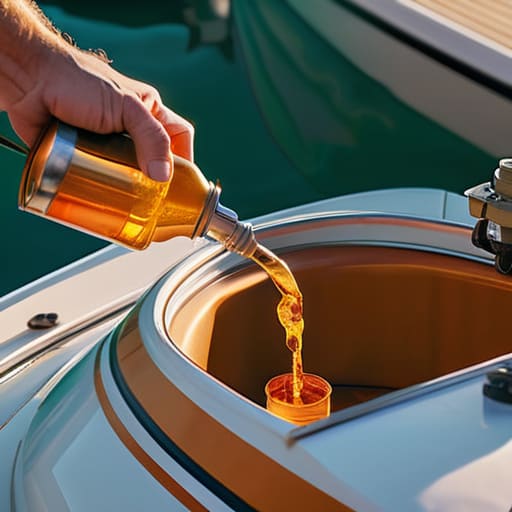
When it comes to the lifeblood of your vessel, complacency is the quickest way to find yourself adrift when spring finally arrives. Many owners overlook the chemistry of their tanks, but preventing fuel stabilizer issues is non-negotiable if you want to avoid the heartbreak of gummy injectors or phase separation. I always advise my clients to treat fuel stabilization like a precise navigation calculation: you must add the stabilizer while the tank is relatively full to ensure it circulates thoroughly through the entire system. Don’t just pour it in and hope for the best; run the engine for a short period to ensure the treated fuel reaches the vital components of your propulsion system.
Similarly, your electrical system requires a steady hand during the off-season. Neglecting marine battery winter storage is a common mistake that can lead to costly replacements. Rather than leaving them connected to a vessel that may experience temperature fluctuations, I recommend disconnecting them entirely and storing them in a climate-controlled environment. If you must keep them on board, ensure they are connected to a high-quality smart tender to maintain a consistent charge. Think of it as maintaining your vessel’s internal compass; if the energy source fails, even the most luxurious yacht becomes nothing more than a beautiful, stationary weight in the marina.
Safeguarding the Vessel: Five Strategic Pillars of Winter Preservation
- Curating the Interior Environment: Beyond mere tidiness, you must treat your cabin like a high-end boutique. Remove all organic materials—even a stray linen cushion or a forgotten book—to prevent the silent encroachment of mold and mildew, ensuring your vessel’s interior remains as pristine as a Portofino showroom when spring arrives.
- The Hull’s Protective Shield: Don’t let the off-season erode your asset’s value. A thorough cleaning and the application of a high-grade marine wax act as a sacrificial layer against the elements, preserving that deep, lustrous finish that defines a truly well-maintained yacht.
- Managing the Freshwater Ecosystem: Stagnant water is the enemy of elegance. Ensure every drop is flushed from your freshwater systems and lines; leaving moisture trapped in the plumbing is like navigating through a fog without a lighthouse—it leads to inevitable, costly damage.
- Securing the Deck and Hardware: The wind can be a fickle navigator. Inspect all canvas covers and biminis for integrity, and ensure all deck hardware is tightened and treated. A loose cleat or a torn cover can turn a gentle winter breeze into a destructive force against your investment.
- The Final Audit: Before you step off the gangway for the season, conduct a final, meticulous walkthrough. Think of this as your pre-voyage checklist; you want to ensure that every hatch is sealed and every valve is set, leaving your vessel in a state of poised, elegant repose.
Charting the Course for a Seamless Return
As the final leaves fall and the winds turn sharper, remember that a successful winterization is not merely a checklist of chores, but a strategic maneuver to protect your most cherished maritime asset. By diligently managing your engine’s health, stabilizing your fuel systems, and ensuring your batteries are shielded from the seasonal frost, you are effectively securing your vessel’s legacy. We have navigated through the complexities of mechanical preservation and electrical safeguards; now, the task is to ensure no detail is left to the whims of the tide. Taking these precise steps today ensures that when the spring thaw arrives, your transition from dock to open water is nothing short of flawless execution.
While the stillness of winter might feel like a period of dormancy, I prefer to view it as a necessary calm before the next great adventure. In the world of luxury yachting, true elegance is found in the preparation that happens behind the scenes, long before the champagne is poured and the sails are unfurled. Treat this season as a period of calculated replenishment for both your vessel and your spirit. Once the sun warms the Mediterranean once more, you won’t be fighting the elements or battling preventable repairs; instead, you will be ready to command the waves with absolute confidence and grace. Until then, fair winds and following seas.