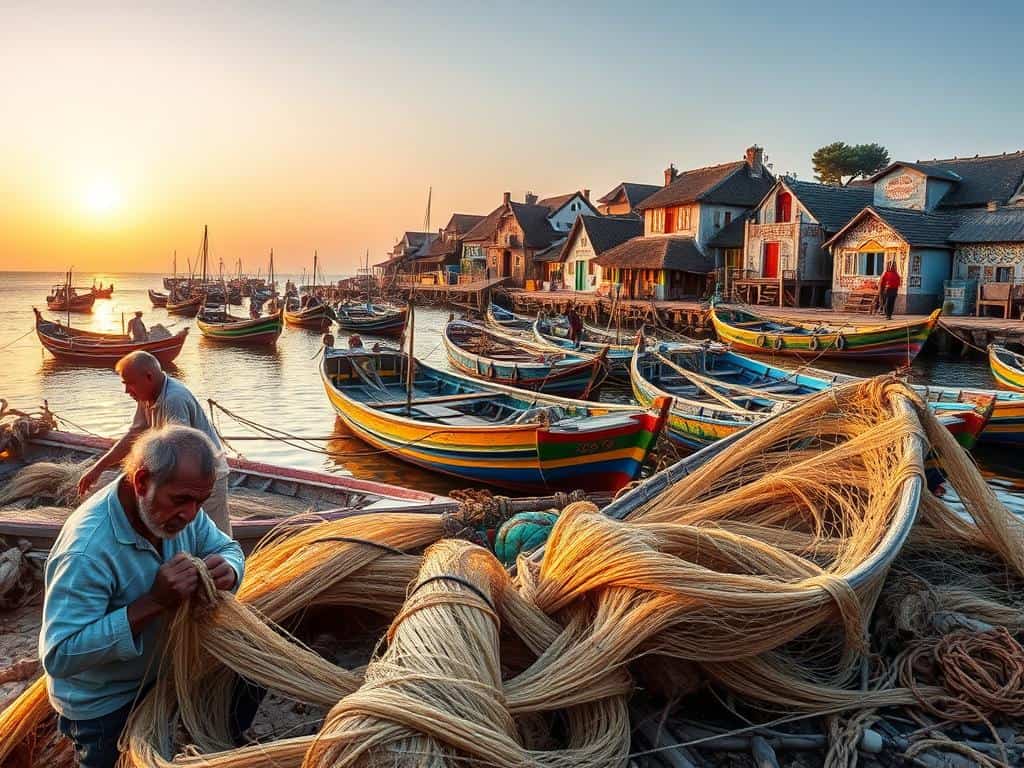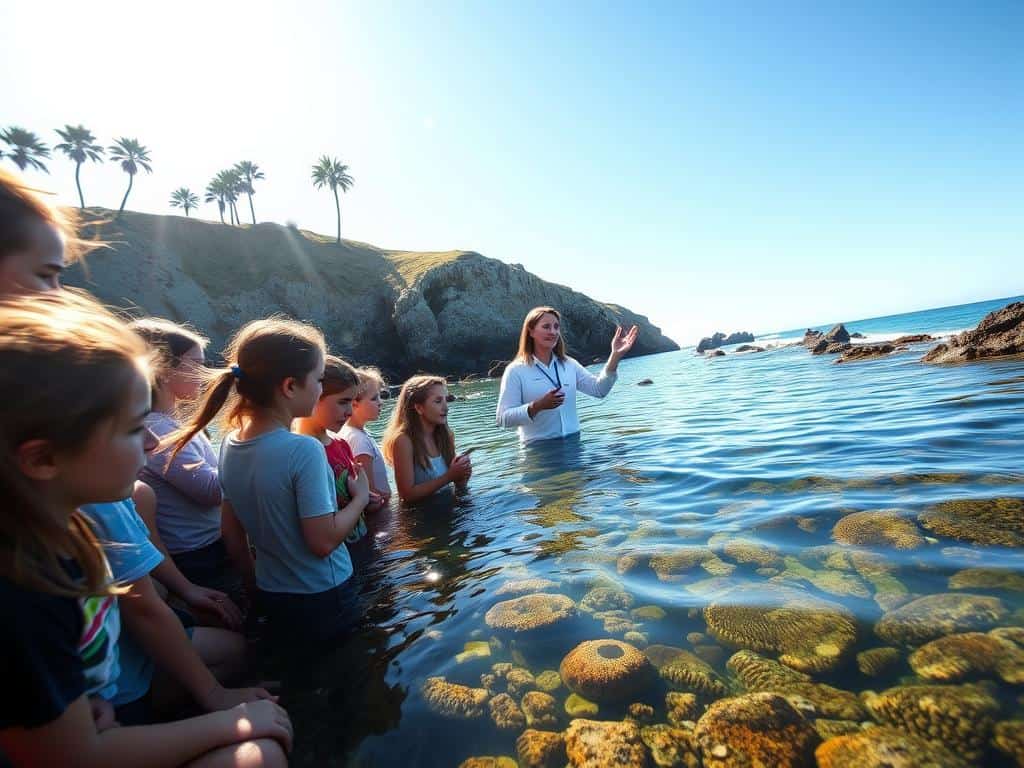
As a kid, I loved spending summers by the ocean. The sound of waves and finding seashells were exciting. A snorkeling trip with a marine educator changed everything. I saw the colorful life under the waves and fell in love with learning about the sea.
This experience showed me how important it is to know about the ocean. It’s not just about the beauty below the surface. It’s about keeping it safe for others in the future.
Learning about the ocean opens a whole new world. It teaches us about the amazing life in the sea. This knowledge helps us take care of our planet’s oceans and all the creatures in them.
Key Takeaways
- Marine education enhances knowledge of the ocean’s ecosystems.
- Understanding marine life aids in conservation efforts.
- Ocean literacy fosters a responsible approach to marine resources.
- Engagement in aquatic studies can inspire future scientists.
- Exploring marine environments encourages personal and community stewardship.
Understanding the Importance of Marine Education
Marine education is key to understanding our oceans. It supports ocean literacy and highlights the need for environmental conservation. The health of our planet is linked to marine ecosystems, making education vital for action.
The Role of Marine Education in Environmental Conservation
Marine education teaches us about ocean threats like pollution and overfishing. This knowledge helps us fight for environmental conservation. It encourages sustainable practices and inspires community actions like beach clean-ups.
This awareness leads to better protection of our oceans and their biodiversity.
How Marine Science Enhances Public Awareness
Marine science boosts public awareness of ocean health and biodiversity. Organizations like NOAA share important data through education. Workshops teach us about climate change’s effects on marine life.
This knowledge motivates us to support ocean conservation. It shows how our actions impact marine ecosystems, making us feel responsible for ocean health.
Exploring the Wonders of the Ocean’s Ecosystems
The ocean is full of unique marine species and diverse habitats. These contribute to the complexity of marine ecosystems. By exploring these ecosystems, I’ve learned about the relationships between different forms of life and their environments.
Unique Marine Species and Their Habitats
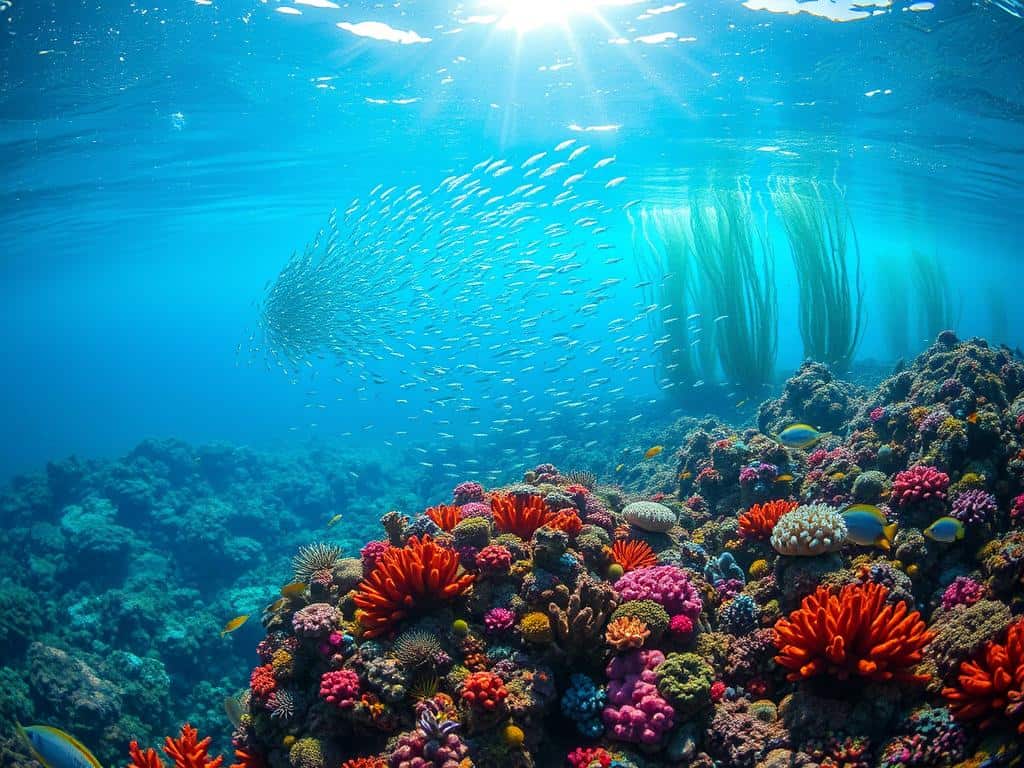
Every marine habitat is a vibrant tapestry of unique marine species. These species play specific roles in their ecosystems. For example, coral reefs are home to sponges and cnidarians, which support countless fish and invertebrates.
Through aquatic studies, I’ve seen how important these species are. They help keep the ecosystem balanced.
The Significance of Coral Reefs and Mangroves
Coral reefs are like the “rainforests of the sea.” They are full of life and protect coastlines from erosion and storms. Mangroves also protect coastal areas, providing nurseries for marine life and filtering pollutants.
Learning about marine conservation is key. Preserving coral reefs and mangroves is vital for marine biodiversity. It also helps communities that depend on the ocean.
Marine Education: Engaging Resources for Kids and Families
Exploring marine life is a great way for kids and families to learn together. There are many educational resources that can spark their interest. These resources are both fun and informative, making learning about the ocean exciting.
Books and Multimedia to Introduce Marine Life
Books and multimedia are key in teaching kids about marine life. Stories with colorful pictures grab their attention and let them explore the ocean’s wonders. They learn about cool creatures like dolphins and sea turtles.
Adding videos and documentaries makes learning even more engaging. It brings the beauty of the ocean right to their screens.
Interactive Tools: Exploring the Ocean with Technology
Technology has changed how we learn about the ocean. Interactive tools like virtual tours and apps let kids explore underwater worlds from home. For example, Google Earth lets them dive into marine ecosystems.
Apps and quizzes make learning fun. They help kids stay interested and learn more about the ocean.
Fun Activities to Foster Ocean Literacy
Doing hands-on activities helps families learn about the ocean. Projects like making marine-themed crafts or cleaning up beaches are great. They let kids connect with nature.
Playing trivia games about the ocean can also spark curiosity. It makes learning fun. Organizations like Ocean Conservancy offer ways for families to help protect the oceans.
Conclusion
Exploring marine education has shown me its huge impact. It helps us understand the ocean and its life better. This knowledge is key to protecting our oceans.
Thanks to new educational tools, families can connect with the ocean. These tools make learning fun for everyone. They teach us how to care for our oceans.
Marine education is a key to saving our oceans. It gives us the knowledge and tools to act. By teaching the next generation, we ensure the ocean’s beauty lasts. Together, we can create a future that values the sea.