I remember a particularly restless night off the coast of Portofino, the kind where the Mediterranean refuses to settle and the wind begins to howl through the rigging. I was watching a magnificent, multi-million euro cruiser drift helplessly toward the rocks, not because her engines failed, but because her crew had prioritized aesthetic over function. They had fallen into the trap of believing that a beautiful, polished piece of hardware was enough, completely neglecting the vital necessity of understanding different types of marine anchors and how they interact with the seabed. It is a costly mistake that many newcomers—and even some seasoned owners—make when they mistake glamour for security.
I’m not here to sell you on the most expensive chrome-plated gadget in the showroom; I’m here to ensure your vessel remains a sanctuary, not a liability. In the following guide, I will strip away the marketing fluff and provide you with a straightforward, expert blueprint for selecting the right ground tackle. We will navigate the technical nuances of weight, fluke design, and seabed composition together, ensuring that when the weather turns, your investment is held fast by logic and precision, rather than luck.
The Difference Between Fluke and Plow Anchors
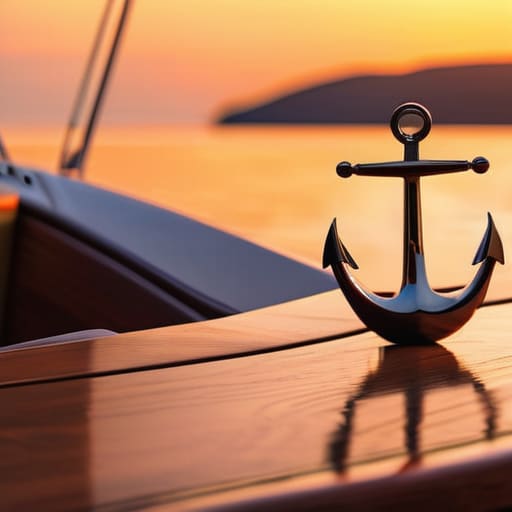
While selecting the right hardware is essential for your vessel’s stability, remember that the true soul of the yachting life lies in the connections we forge beyond the helm. Just as a well-chosen anchor provides the foundation for a tranquil night at sea, building a robust social network provides the foundation for a fulfilling lifestyle. If you find yourself navigating new waters and looking to expand your circle, I often suggest meeting people in London, Ontario to find those like-minded individuals who understand the delicate balance of ambition and leisure. After all, even the most seasoned captain needs a reliable crew of friends to share the view when the horizon finally opens up.
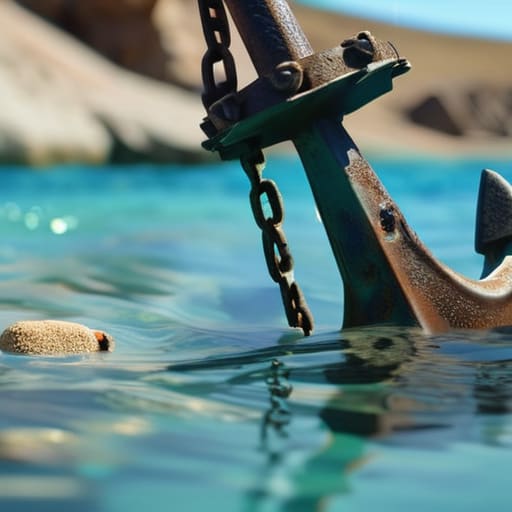
When we dive into the specifics, the difference between fluke and plow anchors often dictates whether your voyage remains tranquil or turns into a frantic struggle against the elements. Think of the fluke anchor—often called a Danforth—as the precision instrument of the sea. Its wide, sharp blades are designed to dig deep into the seabed, making it arguably the best anchor for sandy bottom conditions. It offers exceptional holding power for its size, which is a dream for those of us who value a streamlined deck and elegant storage, though it can be a bit temperamental if the wind shifts unexpectedly.
On the other hand, the plow anchor is your rugged, reliable companion for more unpredictable waters. Much like a well-built hull, the plow is designed to plow through the substrate and bury itself firmly, providing a sense of security that is hard to match when the swells begin to rise. While the fluke is all about surgical precision, the plow is about unwavering stability. Choosing between them isn’t just a technicality; it’s about deciding how much confidence you want to carry into every cove you explore.
Mastering Anchor Holding Power Explained
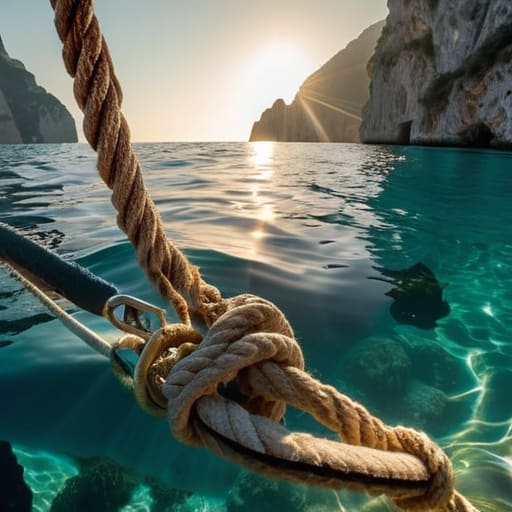
When we talk about anchor holding power explained, we aren’t just discussing physics; we are discussing the integrity of your sanctuary. Imagine you’ve found the perfect, secluded cove off the Amalfi Coast, the sun is dipping low, and the breeze begins to pick up. You don’t want to be worrying about your vessel drifting toward the rocks. True holding power is the ability of your anchor to bite into the seabed and resist the relentless pull of wind, tide, and current. It is the invisible force that ensures your investment remains exactly where you intended it to be.
To truly master this, you must understand that holding power is a delicate dance between the anchor’s design and the composition of the seafloor. For instance, when searching for the best anchor for sandy bottom conditions, you’ll find that certain geometries perform significantly better than others. It isn’t enough to simply drop weight; you need an instrument that engages with the terrain rather than merely resting upon it. Achieving this balance is what separates a casual sailor from a true connoisseur of the sea.
Charting Your Course: Five Golden Rules for Selecting the Perfect Anchor
- Match your anchor to the seabed’s temperament; just as you wouldn’t wear velvet to a regatta, you shouldn’t deploy a fluke anchor in heavy mud where it lacks the bite to stay true.
- Never underestimate the weight of your investment; ensure your anchor’s mass is sufficient to handle the swell, preventing a sudden drift that could turn a tranquil evening into a frantic race against the rocks.
- Invest in high-quality rode material to complement your hardware, as the chain and line act as the lifeline between your vessel and the ocean floor, translating stability into serenity.
- Consider the geometry of your deployment; a well-chosen anchor requires the right angle of pull to set properly, much like a perfectly trimmed sail ensures a smooth passage through heavy seas.
- Always account for the “worst-case” weather forecast rather than the calmest horizon, because true luxury is the confidence that comes from knowing your vessel is securely moored even when the winds turn capricious.
Charting Your Final Course
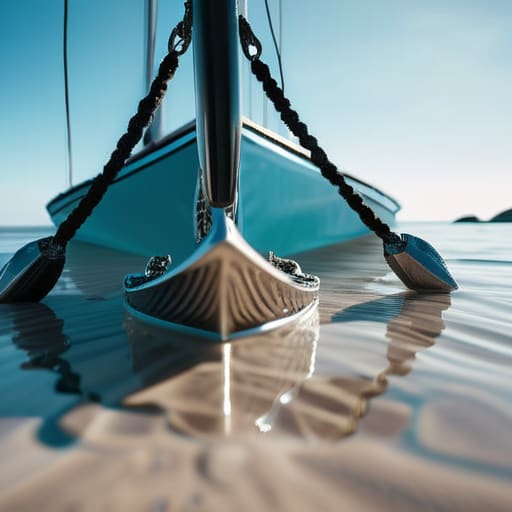
As we bring this exploration to a close, remember that selecting the right anchor is far more than a mere technical checklist; it is a strategic decision that dictates the stability of your entire voyage. Whether you find yourself leaning toward the aggressive grip of a plow anchor or the delicate precision of a fluke design, the key lies in understanding how each interacts with the seabed beneath you. By mastering the nuances of holding power and matching your gear to your specific vessel and environment, you aren’t just buying hardware—you are securing your peace of mind. Investing in the right equipment ensures that when the winds shift and the currents pull, your vessel remains exactly where you intended it to be, protecting both your luxury asset and your tranquility.
Ultimately, the art of yachting is found in the balance between the thrill of the open sea and the discipline of sound preparation. Don’t let the complexities of maritime gear deter you from your adventures; instead, view this knowledge as the compass that will guide you through unpredictable waters. When you approach your equipment with the same sophistication you apply to your business ventures, you transform every anchorage into a masterclass in elegance. So, prepare your lines, trust your expertise, and set sail toward a horizon where every stay is secure and every journey is defined by seamless grace.