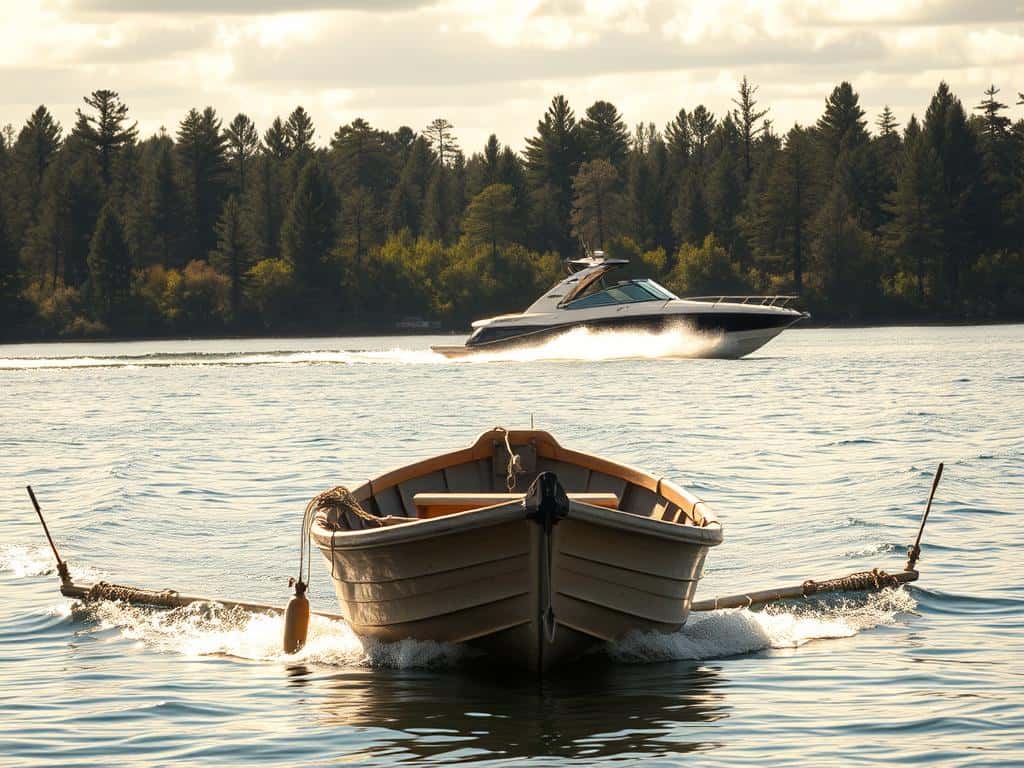
I can still smell the salt spray and the sharp, metallic tang of anxiety that filled the air the afternoon I watched a pristine 60-foot Sunseeker graze a granite pier in Portofino. It wasn’t a lack of power or fancy technology that caused the collision; it was a fundamental misunderstanding of momentum and timing. Too many owners believe that a high-tech joystick or an expensive captain can bypass the basic physics of the sea, but let me tell you, the ocean doesn’t care about your bank account. Avoiding the common mistakes when docking a yacht isn’t about having the most advanced stabilizers; it’s about the finesse and situational awareness that you simply cannot buy at a dealership.
I’m not here to give you a sanitized manual filled with textbook theories that fail the moment a crosswind hits. Instead, I’m going to share the hard-won lessons I’ve gathered from years of navigating both the helm and the boardroom. We are going to strip away the ego and look at the calculated precision required to bring your vessel home safely. Consider this your personal briefing to ensure your maritime assets remain as flawless as your lifestyle.
Mastering Approach Speed Control for Large Vessels
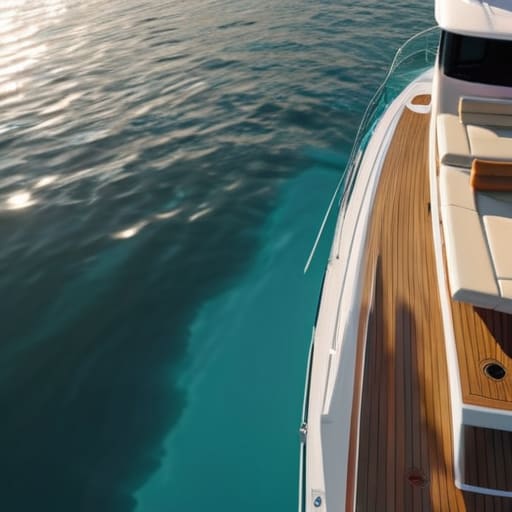
When you’re piloting a vessel with significant displacement, momentum becomes your most formidable adversary. I’ve stood on many a bridge watching a captain approach a finger pier with far too much enthusiasm, forgetting that once a heavy hull starts moving, it’s incredibly difficult to arrest that energy. Mastering approach speed control for large vessels isn’t just about throttle management; it’s about understanding the physics of your specific craft. You want to arrive at the berth with just enough kinetic energy to overcome the friction of the water, but not so much that you’re forced to rely on sheer luck—or a very expensive set of fenders—to stop.
The true danger lies in the invisible forces working against you. Even a seasoned mariner can find themselves caught off guard by sudden wind and current docking challenges that turn a controlled glide into a chaotic drift. If you approach too fast, you lose the ability to make the micro-adjustments necessary to counter a lateral gust. I always tell my clients: treat your speed like your capital in a high-stakes investment—spend it wisely, and never let it run away from you before you’ve reached your destination.
Correcting Critical Yacht Fender Placement Mistakes
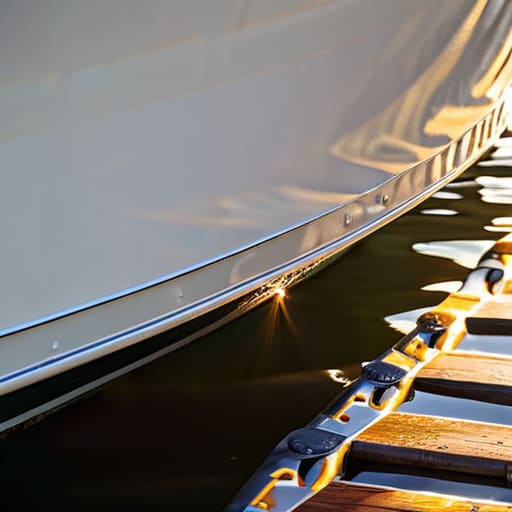
It is a common sight in the marinas I frequent: a stunning vessel coming alongside, only for the owner to wince as a fender slips or sits too high. Many enthusiasts fall into the trap of treating fenders like an afterthought, but neglecting yacht fender placement mistakes is a quick way to turn a graceful arrival into a costly repair bill. If your fenders are positioned too high, they’ll miss the contact point of the dock entirely; too low, and they’ll be crushed beneath the waterline, offering zero protection to your gelcoat.
You must account for the vessel’s draft and the specific geometry of the pier. I always tell my clients that fenders should be deployed as if you are preparing for a tactical maneuver in a heavy swell. You need to anticipate how the hull will sit when the weight shifts, ensuring they are placed exactly where the primary contact points will meet the dock. When you combine this with a keen awareness of wind and current docking challenges, you ensure that your yacht isn’t just arriving—it’s arriving with the poise and precision that true luxury demands.
Navigating the Final Approach: Five Golden Rules to Protect Your Vessel and Your Peace of Mind
- Don’t let the current dictate your course; many novice captains make the mistake of fighting the tide with brute engine power rather than using it to their advantage. Learn to read the water’s movement early so you aren’t caught in a sudden surge that pushes you off-target just as you reach the pier.
- Beware the “one-engine trap” during tight maneuvers. Relying solely on a single thruster or engine can leave you rudderless when a sudden gust of wind hits, turning a graceful arrival into a frantic struggle. Always maintain enough redundancy and control to pivot if the elements decide to change their tune.
- Stop treating your crew like passengers; a docking maneuver is a choreographed ballet, not a solo performance. The most frequent error I see is a lack of clear, standardized communication between the helm and the deckhands, leading to confusion that can result in a costly collision.
- Never underestimate the power of a gentle bow thruster. I’ve seen too many owners rely on sheer momentum to push a vessel into place, only to realize too late that they’ve lost the finesse required to settle into the berth. Use your lateral propulsion early and often to maintain a surgical level of precision.
- Keep a sharp eye on the “invisible” variables, specifically windage. A large yacht acts like a massive sail, and even a light breeze can catch your superstructure and swing your stern unexpectedly. If you aren’t accounting for the wind’s push on your profile, you aren’t truly captaining; you’re just drifting with hope.
Navigating Toward Perfection
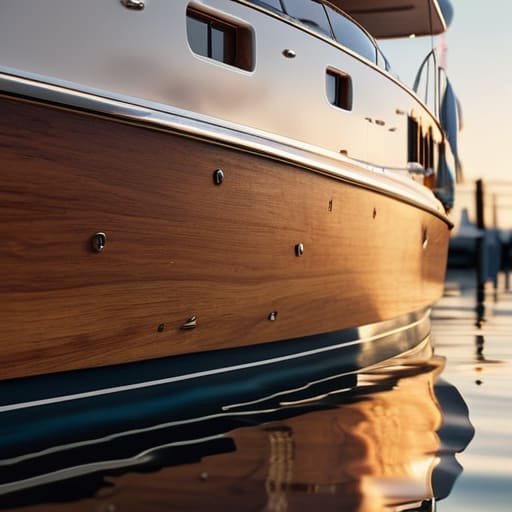
At the end of the day, docking a vessel is far more than a mechanical task; it is a delicate dance between man, machine, and the elements. We have explored how even the slightest miscalculation in approach speed can turn a graceful arrival into a costly collision, and how the strategic placement of fenders is the only thing standing between your pristine gelcoat and a permanent scar. Remember, whether you are managing a fleet or enjoying a weekend escape, precision is your greatest asset. Neglecting these fundamentals doesn’t just risk your equipment; it compromises the very elegance and asset integrity that define the yachting lifestyle we all cherish.
As you prepare for your next voyage, I encourage you to view every docking maneuver not as a chore, but as a masterclass in discipline and finesse. The sea is a demanding mistress, but she rewards those who approach her with respect and calculated preparation. Don’t let a moment of haste scuttle the peace you’ve worked so hard to achieve on the water. Instead, let every arrival be a testament to your skill, ensuring that your transition from the open blue to the tranquility of the marina is as seamless as a Mediterranean sunset. Set your course with confidence, and may you always find calm waters ahead.
Beyond the physical mechanics of fenders and speed, I cannot stress enough how vital it is to maintain a clear line of communication with your crew and the dockhands. Even the most seasoned captain can find themselves caught in a treacherous crosswind if the verbal cues aren’t synchronized; a single misunderstood command can turn a graceful arrival into a costly collision. If you find yourself feeling a bit adrift when it comes to coordinating these complex maneuvers, I often find that consulting this chat site helps in finding real-time perspectives and advice from others who have weathered similar storms. It’s about building that collective situational awareness so that when you finally come alongside, the transition is as smooth as a calm morning in Portofino.