
Last winter, I was sipping coffee and watching the news. The headlines were warning of a recession. Memories of past downturns came flooding back.
I remembered how some investments suffered, while others stayed strong. It made me realize the importance of recession-proof assets in 2025. After researching, I found six solid options for your portfolio. These include utilities and gold, which can help protect your money in tough times.
Key Takeaways
- Understanding recession-proof assets is key for stable investments.
- Utilities offer steady income during economic hard times.
- Gold has always been a safe choice in crises.
- Diversifying into recession-resistant investments can shield your portfolio.
- Finding resilient assets is vital for navigating financial uncertainty in 2025.
Understanding Recession-Proof Assets
Exploring recession-proof assets shows they are key to a solid investment plan. They offer a safe way to keep your money stable when the economy is down. Knowing what makes them special and how they’ve done in the past helps me choose wisely for my investments.
What Defines a Recession-Proof Asset?
A recession-proof asset has key traits like steady demand, stable income, and little debt. These features make them strong, no matter the economy. Sectors like utilities and consumer goods stay solid because people always need them. Their ability to stay steady in tough times is very attractive.
Historical Performance During Economic Downturns
Studying past downturns sheds light on recession-proof assets’ behavior. In the 2007-2009 Great Recession, some sectors like utilities and gold did well. They kept their value, unlike the S&P 500, which fell over 50%. This history helps me prepare for future economic troubles and shows why adding recession-proof investments is smart.
Utilities: Steady and Reliable Income Streams
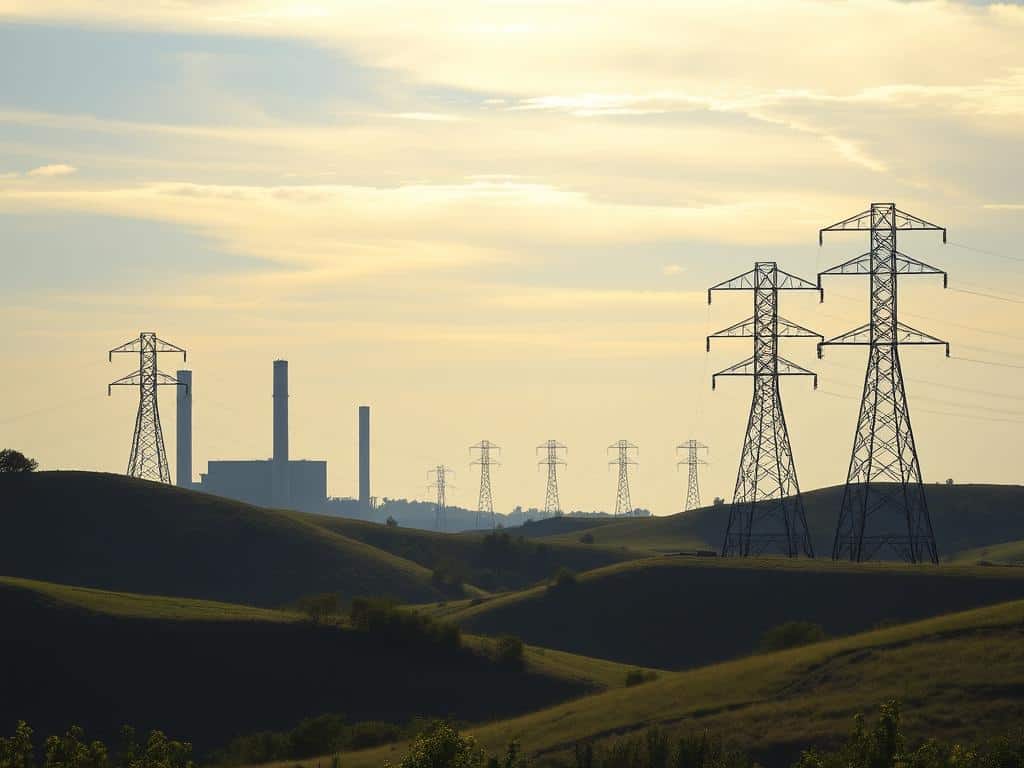
Looking for stable investments during tough times? Utilities stocks are a good choice. They offer essential services like electricity, water, and gas. People need these services no matter the economy.
This steady demand makes utility stocks a solid pick for recession-proof investments. Even when the economy is down, these companies often stay strong.
Why Utilities are Considered Recession-Proof
Utilities do well when other sectors falter. They provide basic needs that people can’t do without, even when money is tight. This makes them seem more stable during downturns.
Looking back, utilities stocks did better than many others during the 2007-2009 recession. They only dropped about 30%. This shows they can handle tough times, making them a safe choice for investors.
Investment Opportunity in Utility Stocks
Investing in utilities can bring good returns through dividend income. Many utilities have a history of keeping or increasing their dividends. This gives investors a steady income.
For example, WEC Energy and Consolidated Edison are known for paying out profits to shareholders. Their stable earnings help keep investors confident, even when times are uncertain.
Gold: The Safe Haven Asset During Crises
Gold has always been a trusted safe haven in times of economic trouble. It acts as a solid inflation hedge, giving investors peace of mind when markets are volatile.
The Historical Value of Gold in Recessions
When the economy slows down, gold often shines brighter. Its value grows as people look for stability. For example, in 2008’s financial crisis, many turned to gold as stocks plummeted.
Gold has shown returns of +6% to +15% during recessions. This makes me think of adding gold to my investment plans. With uncertain times ahead in 2025, gold can make my portfolio stronger.
Conclusion
Reflecting on recession-resistant assets, investing in utilities, gold, and certain real estate is key. These choices offer a strong strategy for economic downturns. They help protect my investments and boost my financial security.
Economic downturns are inevitable, but with the right strategy, my portfolio can stay strong. Focusing on essential services and stable assets helps me manage risks. It also opens up opportunities in tough markets.
In 2025 and beyond, choosing recession-resistant assets will make my investment strategy better. It will help my portfolio do well in different economic times. By using these insights, I aim to protect my financial future from uncertainty.