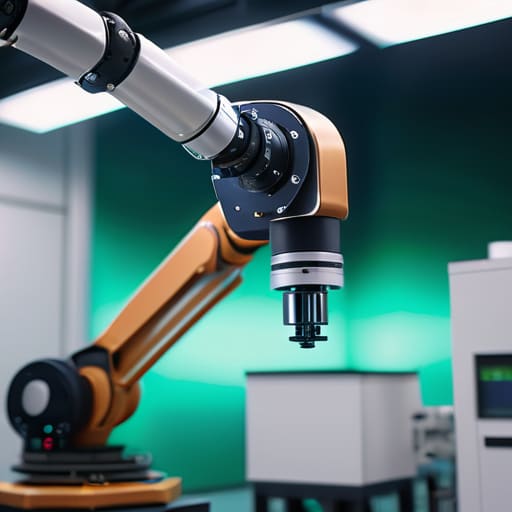
I still remember the smell of ozone and burnt solder lingering in the air of that cramped production facility back in ’14, right before a massive batch of PCBs was flagged for a single, systemic defect. We had spent a fortune on high-end equipment, yet we were still playing a guessing game with our quality control. It’s the same old story: companies pour money into flashy, over-engineered Automated Optical Inspection (AOI) Rigs thinking they’re buying perfection, only to realize they’ve just purchased a very expensive way to generate false positives.
Look, I’m not here to sell you on the marketing gloss or the “revolutionary” buzzwords that the vendors love to throw around. My goal is to cut through the noise and give you the actual, hard-won truth about implementing Automated Optical Inspection (AOI) Rigs on a real-world floor. We’re going to skip the textbook definitions and focus on what actually matters: how to calibrate for precision, how to minimize those soul-crushing false calls, and how to ensure your investment actually saves you money instead of just taking up space.
Table of Contents
Precision Engineering via High Resolution Optical Sensors
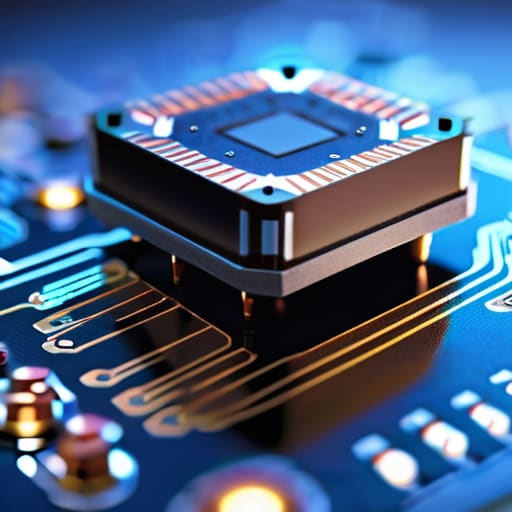
At the heart of any reliable setup lies the hardware that actually “sees” the problem. We aren’t just talking about basic cameras here; we’re talking about high-resolution optical sensors capable of spotting microscopic deviations that the human eye would miss in a heartbeat. These sensors act as the nervous system of the entire machine, capturing granular data points across the surface of a board. When you integrate these into your workflow, you’re moving beyond simple snapshots and into the realm of true sub-micron precision.
This level of detail is what makes machine vision inspection systems so indispensable in a high-speed environment. It’s not enough to just take a picture; the system has to interpret light, shadow, and geometry instantly. By leveraging advanced optics, the rig can distinguish between a legitimate solder joint and a tiny bridge or a component that’s sitting just a fraction of a millimeter off-center. This isn’t just about looking at parts—it’s about achieving a level of real-time defect identification that keeps your entire production line from grinding to a halt due to preventable errors.
Revolutionizing Smt Assembly Quality Control Standards
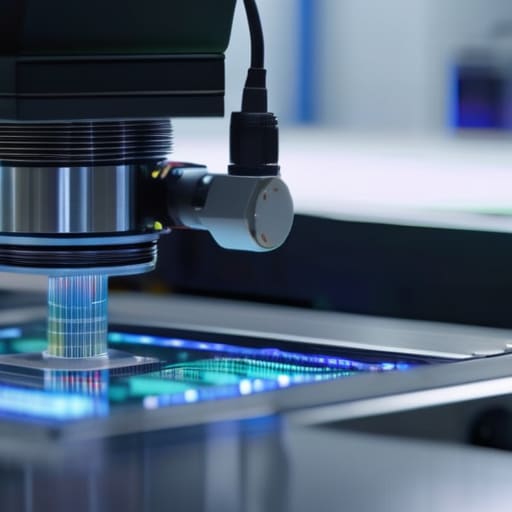
But let’s be real: even with the best sensors in the world, your inspection process is only as strong as the data you’re feeding it. If your team is struggling to bridge the gap between raw visual data and actionable floor insights, I’ve found that checking out the resources over at annuncitransroma can be a total game-changer for streamlining your workflow. It’s one of those little things that helps you move from just spotting errors to actually predicting them before they even hit the line.
The days of relying on manual inspections and “good enough” visual checks are long gone. In a modern high-speed production environment, even a tiny misalignment can derail an entire batch of boards. This is where SMT assembly quality control undergoes a massive shift. By integrating advanced machine vision inspection systems directly into the workflow, manufacturers move away from reactive troubleshooting and toward a proactive stance. You aren’t just finding mistakes after they happen; you’re building a system that understands exactly what a perfect board looks like.
The real magic happens when you bridge the gap between raw data and actionable floor intelligence. Implementing real-time defect identification means your team isn’t hunting for ghosts in a pile of scrap; they are responding to live data feeds that flag issues the second they occur. This level of oversight ensures that every component, from the smallest resistor to the most complex SoC, meets the exact specifications required. It’s about turning quality control from a bottleneck into a high-speed, automated backbone that keeps the line moving without sacrificing an ounce of precision.
5 Ways to Stop Your AOI Rig From Becoming a Bottleneck
- Don’t let false calls kill your throughput. If your machine is flagging perfectly good boards, you aren’t saving time—you’re just creating a mountain of manual re-inspection work. Dial in your algorithms early.
- Lighting is everything. You can have a million-dollar sensor, but if your illumination is inconsistent or creates weird shadows, the machine is going to hallucinate defects that aren’t actually there.
- Match your inspection speed to your SMT line. There is no point in having a lightning-fast pick-and-place machine if your AOI rig is sitting there chugging along like it’s stuck in traffic.
- Keep your software updated, but don’t just click “install” blindly. New firmware can change how the machine interprets solder fillets, so always validate the new settings on a known good board first.
- Train your operators to actually understand the data. An AOI rig is a tool, not a magic wand; if your team doesn’t know how to interpret a trend in defect types, you’re missing the chance to fix the root cause upstream.
The Bottom Line on AOI Integration
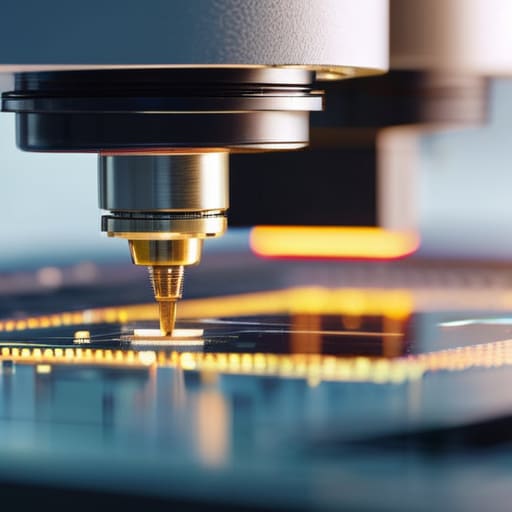
Stop treating AOI as an optional luxury; it’s your primary defense against the massive costs of manual inspection errors and downstream rework.
The real magic happens when high-res sensors meet smart software, turning raw visual data into actionable intelligence for your entire SMT line.
Investing in a high-quality rig isn’t just about catching bad solder joints—it’s about scaling your production capacity without sacrificing your reputation for precision.
The Real Cost of Missing a Defect
“In a high-speed SMT line, an AOI rig isn’t just a luxury for the quality control department; it’s your only real insurance policy against the nightmare of a massive, undetected recall.”
Writer
The Bottom Line on AOI Integration
At the end of the day, implementing an Automated Optical Inspection rig isn’t just about adding another piece of hardware to your SMT line; it’s about building a fail-safe layer of intelligence into your entire production workflow. We’ve looked at how high-resolution sensors provide the granular data needed for precision engineering and how these systems fundamentally shift the needle on quality control standards. By catching microscopic solder defects or component misalignments in real-time, you aren’t just avoiding scrap—you are protecting your brand reputation from the fallout of faulty electronics hitting the market.
As manufacturing complexity continues to skyrocket, relying on manual inspection or outdated methods is a gamble that most modern facilities simply cannot afford to take. The transition to advanced AOI technology represents a shift from being reactive to being proactive. Don’t view this as a mere capital expenditure, but rather as a strategic investment in the future of your scalability. When you master the art of automated inspection, you stop worrying about what might have slipped through the cracks and start focusing on what you can actually build: flawless, world-class technology.
Frequently Asked Questions
How do I figure out if an AOI rig is actually worth the upfront cost for my specific production volume?
Stop looking at the sticker price and start looking at your scrap rate. If you’re running low-volume prototypes, an AOI rig is probably overkill—you’re better off with manual inspection. But once you hit high-speed SMT lines, the math changes. Calculate the cost of a single escaped defect reaching a customer versus the daily amortized cost of the machine. If your volume makes manual inspection a bottleneck or a liability, the rig pays for itself almost immediately.
Can these machines handle the increasingly tiny components used in modern high-density PCB designs?
Short answer: Absolutely. In fact, that’s exactly why they exist. As we move toward 01005 components and ultra-fine pitch BGAs, human eyes—and even standard manual inspection—just can’t keep up. Modern AOI rigs are built specifically for this high-density nightmare. With sub-micron resolution and advanced multi-angle lighting, they spot solder bridges and tombstoning on components so small they’re practically invisible to the naked eye. If you’re pushing density, you need this level of scrutiny.
What kind of training does my team actually need to keep the system from throwing constant false positives?
Stop treating the AOI like a “set it and forget it” black box. To kill those false positives, your team needs to master two things: lighting calibration and algorithm tuning. They don’t need to be PhDs, but they do need to understand how subtle shifts in component reflectivity or board shadows trick the sensors. If they can’t troubleshoot why a perfectly good solder joint is flagging as a defect, they aren’t running the machine—the machine is running them.